
CalHFA down payment assistance

Explore how MyHome and CalPLUS ZIP may help reduce the upfront funds needed to purchase a home.

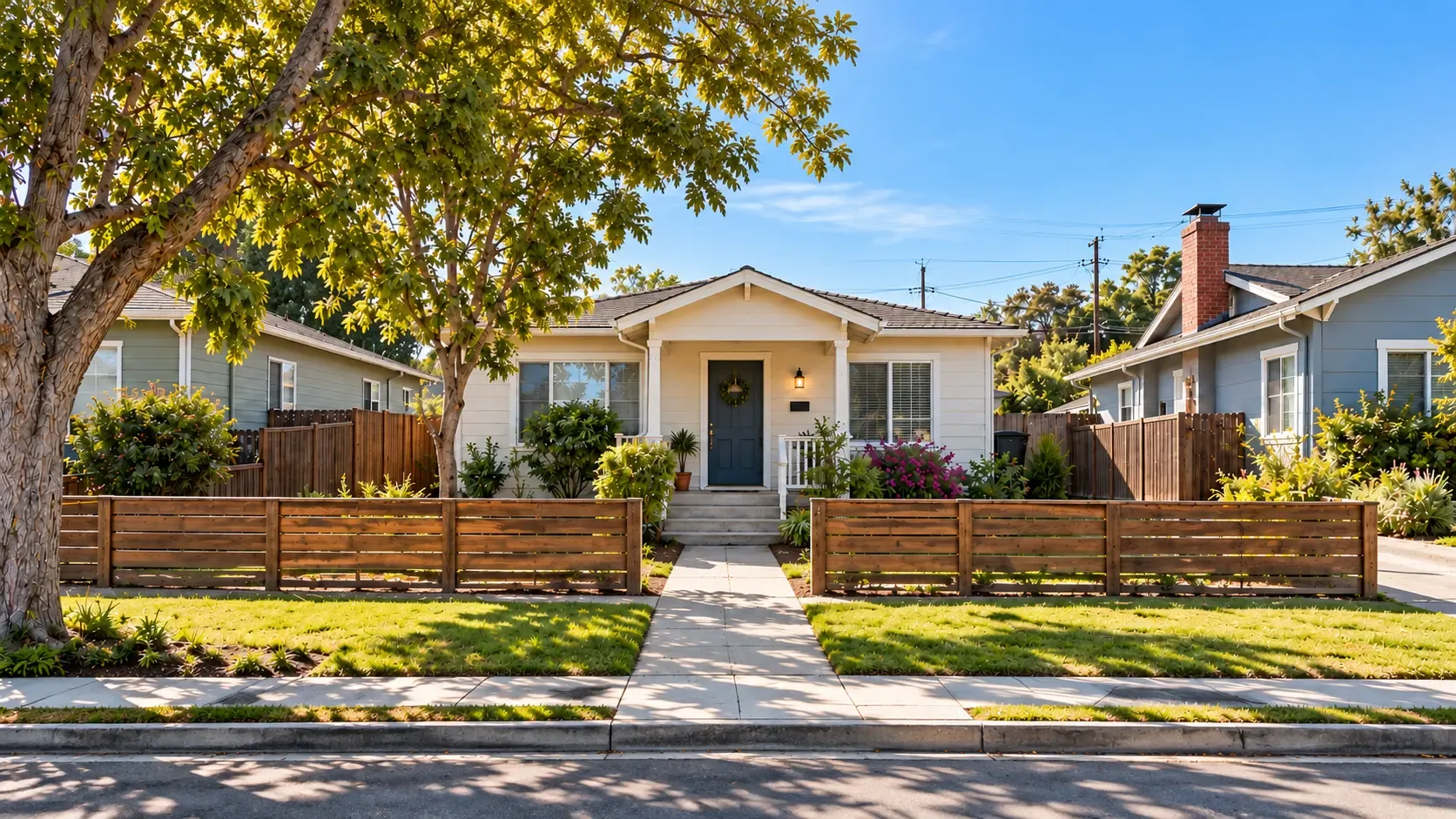
Welcoming white cottage in a California neighborhood
MyHome FHA
Up to 3.5%
CalPLUS ZIP
Up to 3%
Potential combined assistance
Approximately 6.5%

Two programs, different purposes

Reduce the upfront cost of buying a home

CalPLUS is the 30-year first mortgage and includes ZIP assistance for eligible closing costs. MyHome is a separate deferred-payment second mortgage that may help with the down payment and closing costs. Eligible borrowers may use them together.

Informational estimate

Estimate your assistance and funds to close

Move the sliders to see how the selected combined program may affect the cash needed at closing.

Combined loan program
$500,000
$200,000$1,000,000
3.5% · $17,500
3.5% minimum20%
CalPLUS ZIP assistance

ZIP is calculated from the estimated first-mortgage amount and is intended for eligible closing costs and prepaid items.

0% · $0
0%6%

This calculator assumes closing costs equal 4% of the purchase price. FHA estimates include the 1.75% upfront mortgage insurance premium in the total loan amount.

How the assistance works

CalPLUS and MyHome can work together

1st

CalPLUS first mortgage

A 30-year CalHFA first mortgage paired with Zero Interest Program assistance.

  • ZIP options equal 2% or 3% of the first mortgage
  • Designed for eligible closing costs and prepaid items
  • The first-mortgage rate may be higher than standard market alternatives
2nd

MyHome deferred second mortgage

A separate subordinate loan that can help cover the down payment and eligible closing costs.

  • Up to 3.5% with an eligible FHA first mortgage
  • Up to 3% with an eligible conventional first mortgage
  • No regular monthly payment, but repayment is deferred—not forgiven
Potential combined assistance: approximately 6.5% MyHome generally holds second position, with ZIP behind MyHome when both programs are used.

What the process looks like

A clear path from estimate to closing

1

Review eligibility

Confirm income limits, first-time buyer requirements, property eligibility and occupancy.

2

Complete education

Eligible borrowers complete the required homebuyer education and counseling.

3

Compare the full payment

Review the interest rate, mortgage insurance, monthly payment and deferred assistance together.

4

Prepare for closing

Verify final assistance, seller credits, required funds and repayment terms before signing.

Make an informed decision

Benefits and tradeoffs to consider

Why buyers consider CalHFA DPA

  • May reduce the cash needed for the down payment and closing costs
  • Can help qualified buyers purchase sooner
  • MyHome does not require a regular monthly payment
  • Programs may be combined when eligibility requirements are met

Important considerations

  • CalHFA first-mortgage rates may be higher than comparable market-rate financing
  • Minimal down payment can mean a higher monthly payment
  • Deferred assistance is generally repaid when the home is sold, refinanced or the first mortgage is paid off
  • Financing most upfront costs may leave limited equity and could create negative equity if the home's value declines

Program terms, rates, income limits and availability can change. This page is for general educational purposes and is not a commitment to lend or a guarantee of eligibility. A licensed loan professional should compare the CalHFA option with other available financing before you decide.

See whether CalHFA fits your homebuying plan

Get a personalized comparison that includes the interest rate, full monthly payment, funds needed to close and repayment terms.

FHA 184 Loans

Built for Native Families.

Honoring Tradition. Building Futures.